Coffee at home that beats your local shop
A $200 home setup beats a $5 daily coffee within four months — and tastes better most of the time. carmannews walks through the three pieces of equipment that matter and the…
 By Amelia Ferrante
·Lifestyle Editor ·
·
6 min read
By Amelia Ferrante
·Lifestyle Editor ·
·
6 min read
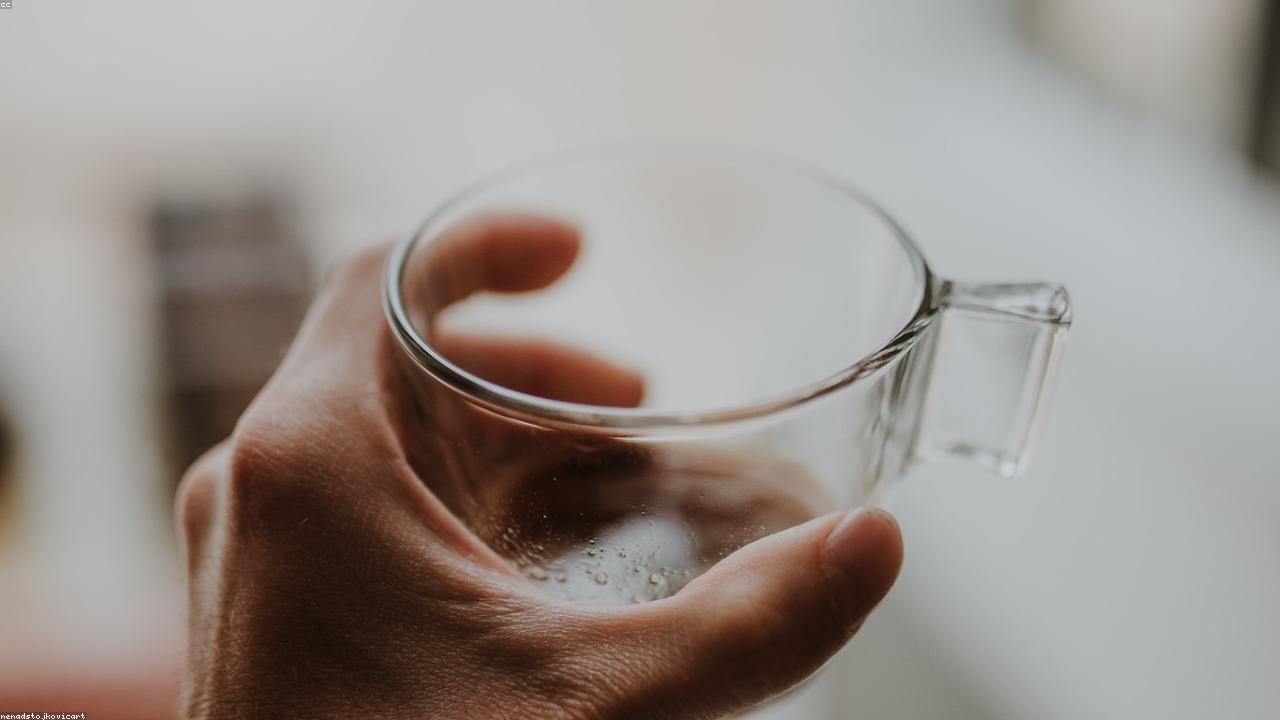
A modest home coffee setup can match or beat a daily cafe habit, and usually tastes better once you dial it in. A couple of pieces of gear matter a lot; a couple of others matter far less than the marketing suggests.
What actually drives a good cup
The two biggest levers are the cheapest to understand and the easiest to overlook: fresh whole beans and a decent grinder. Coffee starts losing its aromatics the moment it is ground, so a bag of pre-ground coffee is already fading before you open it. Buying whole beans and grinding them just before brewing is the single change that most reliably lifts a home cup, and it costs nothing but a small habit.
The grinder is the partner to that. A grinder that produces an even, consistent grind lets water extract flavour evenly; an uneven grind pulls too hard on some particles and not enough on others, and the cup turns muddy or sour. If you are deciding where to put a little money, a good grinder earns its place ahead of almost anything else — including a fancier brewer.
Two more fundamentals round it out. Coffee is mostly water, so water that tastes clean makes a real difference — heavily chlorinated or off-tasting tap water carries straight into the cup. And consistency matters: a repeatable ratio of coffee to water, brewed roughly the same way each time, is what lets you taste a change and know what caused it.
What matters less than the marketing says
Plenty of money in home coffee buys very little improvement. An expensive machine will not rescue stale, unevenly ground beans — technique and freshness beat hardware, and a simple brewer in good hands routinely outperforms a pricey one used carelessly. The same goes for the long shelf of gadgets and accessories that promise a better cup; most are refinements at best, and none of them substitute for fresh beans and an even grind.
This is the reassuring part. The things that matter most are not the expensive things. You can spend a great deal and drink mediocre coffee, or spend modestly, get the fundamentals right, and drink something you genuinely look forward to.
A beginner-friendly path
The fastest way to improve is to stop changing everything at once. Pick one brewing method and learn it before you go shopping for another.
- Choose one method and stick with it. A single approach you understand beats a cupboard of half-learned ones. Master it first.
- Grind fresh, every time. Grind only what you are about to brew, right before you brew it.
- Weigh your coffee and water. A simple scale turns guesswork into something repeatable, so each cup informs the next.
- Adjust one thing at a time. If a cup is bitter or sour, change a single variable — usually the grind size or the ratio — and taste the result before changing anything else.
Work this way and you build a feel for cause and effect. Within a week or two you will know how your beans behave and how to steer them, which is exactly the skill a cafe is charging you for.
Keeping beans fresh
Good beans, badly stored, do not stay good for long. Buy in amounts you will get through in a reasonable window rather than stockpiling, and keep them in an airtight container away from light, heat, and moisture — a cool, dark cupboard is ideal. Air, warmth, and damp are what make coffee go stale, so a sealed container in a steady spot does most of the work. Grinding only at brew time, as above, protects the rest.
Dialing it in
Getting there is a short, satisfying loop rather than a leap. Start with fresh whole beans and clean water, grind right before brewing, weigh your coffee and water for a consistent ratio, and brew your one chosen method the same way each time. Then taste, adjust a single variable, and taste again. Within a handful of mornings the cup settles into something you prefer — and because the gear that matters is modest, the whole setup tends to pay for itself against a daily cafe run while landing closer to your own taste than any counter ever could.
Match the method to the morning you actually have
The best brewing method isn’t the one with the most devoted following; it’s the one you’ll still reach for on a rushed Tuesday. Be honest about how much time and attention you have before the day starts. Some methods ask for a few minutes of hands-on pouring and a little patience, and they reward it with a cup you fuss over. Others are closer to load-it-and-leave, producing something reliable while you get dressed. Neither approach is wrong, and the gear that gathers dust in a cupboard makes nothing better.
- Short on time and patience: lean toward a hands-off, set-it-and-go method
- Enjoy the ritual and have a spare few minutes: a manual, pour-driven method pays off
- Weekday rush but weekend leisure: it’s fine to keep one of each
Picking honestly is what keeps the habit alive. A setup matched to a real morning gets used; an aspirational one ends up shoved behind the toaster.
Clean gear is half the flavor
The fastest way to ruin good beans is to brew them through equipment you never clean. Coffee leaves behind oils that turn rancid, and those stale residues seep straight into the next cup, muddying a flavor you paid attention to everywhere else. A rinse after each use and a more thorough wash every so often keeps things tasting clean. Machines that heat water need a second kind of care: mineral buildup from the water itself collects inside over time, and descaling on a regular rhythm clears it before it dulls the taste and slows the brew. None of this is glamorous, and it’s easy to let slide, but a clean setup is doing quiet work for every cup. Freshness helps on the same front, since air, warmth, and damp are what make coffee go stale, so a clean, dry kit and well-kept beans pull in the same direction.