Insulation upgrades: which ones pay back, and how fast
Attic insulation, wall insulation, basement insulation, and weatherstripping all sound similar but have wildly different paybacks. carmannews maps each against typical install cost and energy savings.
 By Sarah Bell
·Home Editor ·
·
5 min read
By Sarah Bell
·Home Editor ·
·
5 min read
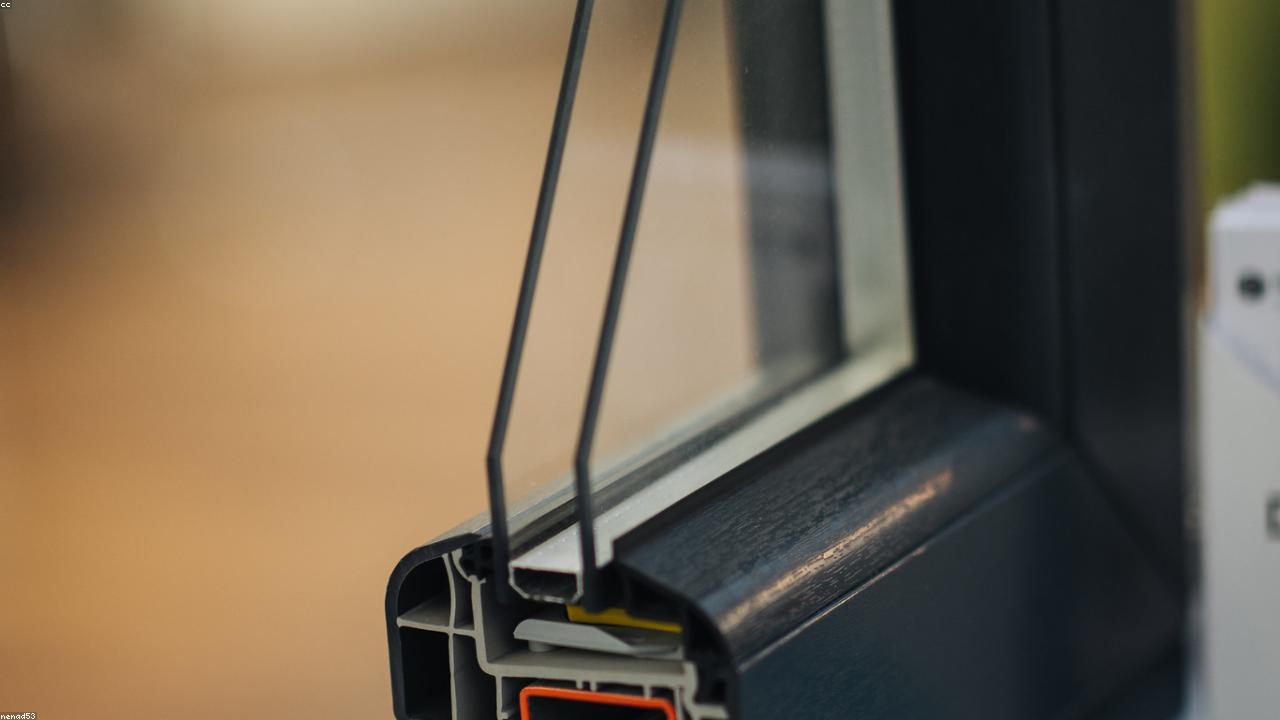
Attic insulation, wall insulation, basement and crawlspace work, and weatherstripping all get lumped together, but their paybacks differ sharply. Knowing which delivers most per dollar helps you spend in the right order.
Air-sealing comes before insulation
The most common mistake is piling new insulation on top of a leaky house. Insulation slows heat that moves through materials; it does little about air that pours through gaps around recessed lights, the attic hatch, plumbing and wiring penetrations, rim joists, and where the framing meets the foundation. Sealing those leaks first is usually the cheapest, fastest improvement per dollar you’ll make, and it makes whatever insulation you add afterward work the way it’s supposed to. Seal first, then insulate — in that order.
Where each upgrade tends to land
Paybacks vary with your climate, fuel prices, and how under-insulated you are to begin with, so treat this as a general ranking rather than a promise. As a rule of thumb, air-sealing combined with topping up attic insulation tends to give the best return, because heat rises and the attic is often the weakest part of the envelope. Weatherstripping and sealing around doors and windows is cheap, quick, and well worth doing, though the absolute savings are smaller. Wall insulation can pay off but costs more and is more invasive, since the walls are already closed up. Basement and crawlspace work is the most situational — it can matter a lot in some homes and very little in others, depending on whether those spaces are conditioned and how heat and moisture move through them.
- Air-sealing + attic: usually the strongest return per dollar; start here.
- Weatherstripping / door-and-window sealing: cheap and fast; smaller but easy savings.
- Wall insulation: can help, but pricier and more disruptive.
- Basement / crawlspace: highly situational; depends on the space and moisture.
Find where you’re actually losing heat
Before spending, figure out where your money is leaking out. On a cold, windy day you can feel for drafts around outlets, baseboards, window frames, and the attic hatch. Rooms that never seem to hold temperature, ice dams on the roof in winter, or an attic that’s roasting in summer all point to envelope problems.
The thorough route is a professional energy audit. An auditor uses a blower-door test to pressurize the house and pinpoint leaks, often with a thermal camera to show exactly where insulation is missing or air is moving. That turns guesswork into a prioritized list, and some utilities offer audits at reduced cost — worth checking what’s available where you live.
What’s DIY and what isn’t
Plenty of weatherstripping and caulking is well within a confident homeowner’s reach, as is laying batts in an easy-to-reach, open attic. But some jobs call for a pro. Blowing insulation into closed wall cavities and installing spray foam both require equipment and experience to do correctly; done badly, they can trap moisture and cause problems you won’t see until there’s damage.
One caution deserves special emphasis. If your home has old knob-and-tube wiring, do not bury it in insulation. That wiring was designed to shed heat into open air, and packing insulation around it is a recognized fire risk. Before insulating any space that might contain it, have a licensed electrician assess the wiring — that’s an electrician’s call to make first, not an insulation contractor’s.
When it’s worth paying someone
Pay for a pro when the work is hidden, technical, or risky: dense-packing walls, spray foam, anything touching old wiring, or a full audit to plan the sequence. Costs swing widely by region, material, and how much access your home gives the crew, so get two or three written quotes and ask each contractor to spell out what they’re sealing and insulating, not just a single bottom-line figure.
Moisture, ventilation, and getting insulation right
Adding insulation changes how a house breathes, and that is where a lot of well-meaning projects go sideways. Warm indoor air carries moisture. When you slow heat from escaping but give that damp air nowhere to go, it can reach a cold surface and condense inside walls or against the underside of the roof deck. Over a winter or two, that shows up as damp framing, musty smells, or staining. The fix is rarely less insulation; it is pairing the insulation with a plan for where moisture goes.
Attic ventilation does a quieter job than people expect. The point is to keep the attic close to the outdoor temperature so the roof stays cold and even in winter. When warm air leaks up from the living space and pools under the roof, snow melts, runs to the cold eave, and refreezes into an ice dam that can push water back under shingles. Soffit and ridge airflow, combined with sealing the gaps where heat sneaks upward, is what keeps that cycle from starting. Vapor control belongs in the same conversation, and the right approach depends on your climate, which is a good question for an installer who works in your region.
A few signs point to a job that did not go to plan: condensation on windows that lingers, insulation that looks compressed or stained, a sudden damp odor in closets along exterior walls, or frost on nails poking through the roof deck. Catching these early keeps a ventilation tweak from turning into a framing repair.
Two practical notes before you start. Many utilities and local programs offer rebates or subsidized energy audits, and an audit often pays for itself by aiming your money at the gaps that actually leak; check what is available in your area before you buy materials. And if your home has older wiring of any kind, especially the cloth-wrapped knob-and-tube type, have a licensed electrician assess it before insulation buries those runs. Some older wiring relies on open air to shed heat, and packing it tight can be a genuine hazard rather than a cosmetic issue.