The Ultimate Seasonal Air Conditioner Maintenance Checklist for Homeowners
The Ultimate Seasonal Air Conditioner Maintenance Checklist for Homeowners
 By Marcus Ainsworth
·Editor-in-Chief ·
·
8 min read
By Marcus Ainsworth
·Editor-in-Chief ·
·
8 min read
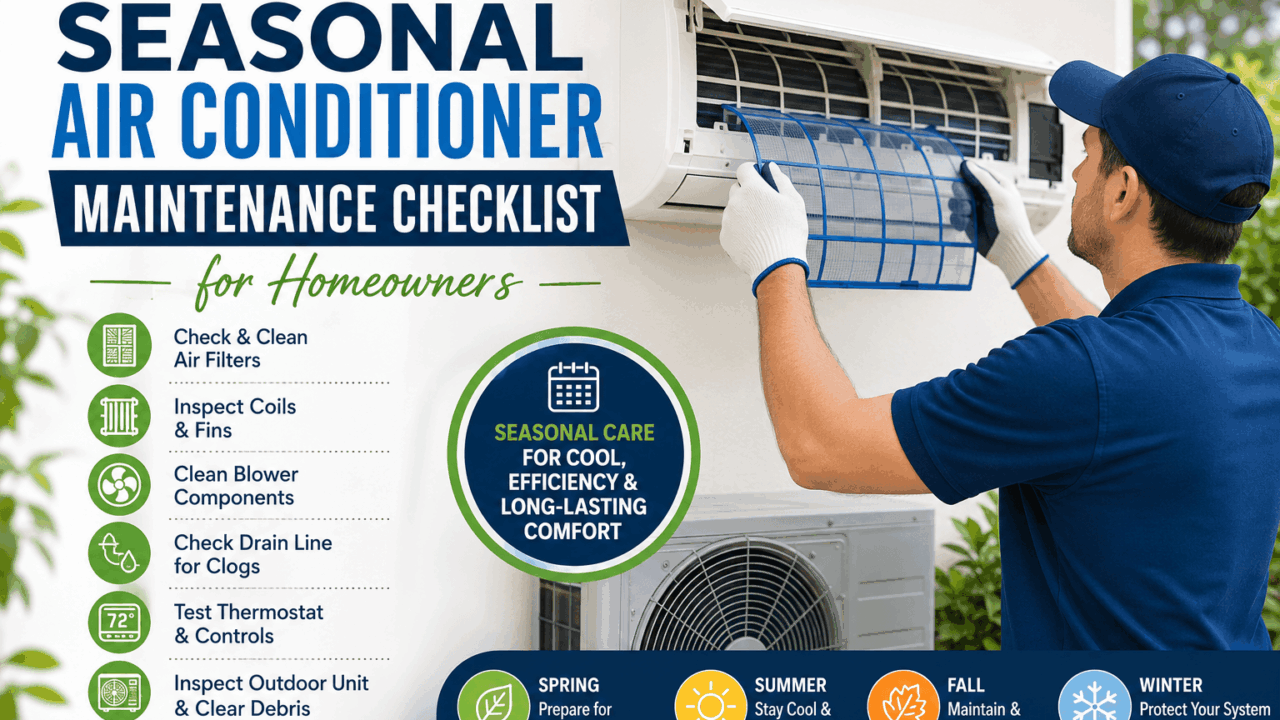
Your air conditioner is one of the hardest-working appliances in your home, especially during the hottest months of the year. Like any machine, it needs regular care to perform at its best. Skipping routine maintenance can lead to poor cooling, higher energy bills, and unexpected breakdowns. Scheduling AC service Dublin before the cooling season begins is a simple way to keep your system running efficiently and catch small issues before they turn into costly repairs.
Many homeowners don’t think about their air conditioner until something goes wrong. However, a little maintenance throughout the year can make a big difference. Simple tasks like replacing the air filter, cleaning the outdoor unit, and checking airflow help your system work more efficiently and last longer. This seasonal maintenance checklist will walk you through the steps you can take during each season to keep your air conditioner in excellent condition and your home comfortable all year long.
Why Seasonal Air Conditioner Maintenance Matters
Your air conditioner has many parts that work together to cool your home. Over time, dust, dirt, leaves, and everyday wear can affect how well those parts perform. Without regular maintenance, the system has to work harder to produce the same level of cooling. This can lead to higher energy use, uneven temperatures, and unnecessary stress on important components.
Seasonal maintenance helps you spot small problems before they become major repairs. It also improves airflow, supports better indoor air quality, and keeps your system operating as efficiently as possible. Spending a little time on routine care throughout the year can save both time and money in the long run.
Spring: Prepare Your Air Conditioner for Summer
Spring is the best time to get your air conditioner ready before the weather becomes hot. Since your system may have been sitting unused during the colder months, it is important to inspect it before switching it on for regular use.
Replace or Clean the Air Filter
A clean air filter is one of the most important parts of air conditioner maintenance. It helps trap dust, pollen, pet hair, and other airborne particles while allowing air to move freely through the system. A dirty filter restricts airflow, making your AC work harder and use more energy. Check the filter at the start of spring and replace it if it looks dirty. Many filters should be changed every one to three months, depending on usage and household conditions.
Clean Around the Outdoor Unit
The outdoor condenser unit needs enough space for proper airflow. During fall and winter, leaves, grass, sticks, and other debris can collect around it. Remove any debris and trim back bushes or plants that are growing too close. Keeping at least a couple of feet of open space around the unit allows it to release heat more effectively and helps improve overall performance.
Test the Thermostat
Before temperatures rise, turn on your air conditioner and check that the thermostat is working correctly. Make sure the system responds when you change the temperature setting. If your home doesn’t cool evenly or the thermostat readings seem inaccurate, it may need adjustment or replacement.
Summer: Keep the System Running Efficiently
During summer, your air conditioner often runs every day. This is the season when it experiences the most wear, so regular checks are important.
Check Airflow Throughout the Home
Walk through your home and make sure cool air is reaching every room. If some areas feel warmer than others, check that furniture, curtains, or other objects are not blocking the vents. Poor airflow can make the system work harder and reduce comfort inside your home.
Listen for Unusual Noises
Your air conditioner should run smoothly without loud or unusual sounds. Grinding, rattling, buzzing, or squealing noises may indicate loose parts or worn components. If you hear anything unusual, have the system inspected before the problem becomes more serious.
Watch for Higher Energy Bills
If your electricity bill suddenly increases without a change in weather or usage, your air conditioner may not be operating efficiently. Dirty filters, blocked airflow, or mechanical issues can all cause the system to use more energy than necessary.
Fall: Prepare for the Cooler Months
As summer ends, your air conditioner gets a chance to rest. This is a good time to clean the system and prepare it for the months ahead.
Remove Dirt and Debris
Check both the indoor and outdoor parts of your air conditioner. Clean away leaves, dust, and dirt that may have collected during the summer. Keeping the unit clean helps protect important components while it is not in regular use.
Inspect the Outdoor Unit
Look for signs of damage such as bent fins, loose panels, or exposed wires. While some minor dirt can be cleaned safely, any visible damage should be checked by a qualified HVAC technician before the next cooling season begins.
Winter: Protect Your Air Conditioner
Although your air conditioner may not be running during winter, it still benefits from a little attention.
Keep the Outdoor Unit Clear
Snow, ice, branches, and falling debris can affect the outdoor unit during winter. Check it occasionally and gently remove anything that could block airflow or damage the equipment. Avoid using sharp tools that could bend the delicate fins.
Plan Your Annual Maintenance Visit
Winter is often a convenient time to schedule professional maintenance before HVAC companies become busy in the spring. A trained technician can inspect electrical connections, check refrigerant levels, clean internal components, and make sure everything is ready for the next cooling season.
Maintenance Habits to Follow All Year
Some maintenance tasks should not be limited to one season. Following these habits throughout the year helps your air conditioner stay in good condition.
- Check your air filter every month.
- Replace dirty filters as needed.
- Keep indoor and outdoor vents clear.
- Make sure furniture does not block airflow.
- Pay attention to unusual sounds or odors.
- Monitor cooling performance and energy use.
- Schedule professional maintenance once a year.
These simple habits take very little time but can make a noticeable difference in your system’s performance and reliability.
Signs Your Air Conditioner Needs Professional Attention
Even with regular maintenance, your air conditioner may develop problems over time. Contact an HVAC professional if you notice warm air coming from the vents, weak airflow, frequent cycling, water leaks, unusual noises, or unpleasant odors. These issues often indicate that the system needs inspection and repair before the problem becomes worse.
Conclusion
Seasonal air conditioner maintenance is one of the easiest ways to protect your home’s cooling system. By checking your air filter, cleaning the outdoor unit, testing the thermostat, and paying attention to changes in performance throughout the year, you can help your air conditioner work more efficiently and last longer. A little maintenance each season can improve comfort, reduce energy costs, and help you avoid unexpected repairs when you need your air conditioner the most.
Split AC maintenance checklist
Ductless and mini-split systems need a slightly different routine from central AC because the indoor unit sits in the room. Work through these steps a couple of times a year, always switching the power off first:
- Clean the filters: slide out the indoor unit’s mesh filters, wash with mild soapy water, dry fully, and refit — ideally every few weeks during heavy use.
- Clean the coils and blower: gently dust the indoor evaporator fins and wipe the housing; have a pro deep-clean the blower wheel if you see mold or smell mustiness.
- Flush the drain line: clear the condensate hose so water does not back up and drip from the indoor unit.
- Service the outdoor unit: clear leaves and debris, straighten bent fins, and keep at least two feet of clearance around it.
Leave refrigerant levels and electrical checks to a licensed technician.
Quick air conditioner maintenance checklist
- Clean or replace air filters regularly
- Clean the indoor and outdoor coils
- Clear the condensate drain line
- Remove debris around the outdoor unit
- Check thermostat settings and batteries
- Book a professional tune-up before peak season
Frequently asked questions
What is on an air conditioner maintenance checklist?
A core checklist covers cleaning or replacing filters, cleaning the indoor and outdoor coils, clearing the condensate drain line, removing debris around the outdoor unit, checking the thermostat, and booking a yearly professional tune-up.
How do you maintain a split AC?
Switch off the power, then clean the indoor unit’s filters, gently dust the coils, flush the drain line, and clear debris from the outdoor unit. Leave refrigerant and electrical work to a technician.
How often should an air conditioner be serviced?
Clean or check filters every few weeks to a month during heavy use, and have a professional service the system once a year, ideally in spring before the cooling season.
Can I do AC maintenance myself?
Yes, for the basics: cleaning filters, wiping coils, clearing the drain line, and keeping the outdoor unit clear. Refrigerant handling and electrical repairs should be left to a licensed technician.
What happens if you don't maintain your AC?
A neglected unit loses efficiency, costs more to run, cools less effectively, and fails sooner. Clogged filters and coils strain the system, and a blocked drain can cause water damage or mold.
How do I clean a split AC at home?
Turn off the power, open the indoor unit, remove and wash the filters, gently wipe the coils and housing, and flush the drain line. Outside, clear debris and carefully hose down the condenser fins.